Basic Information
| Field | Detail |
|---|---|
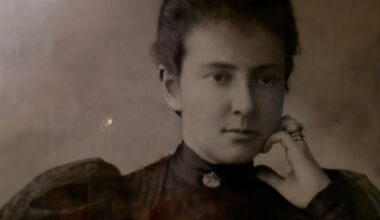
| Full name | Frances Klein Macgraw |
| Birth | September 5, 1901, Boston, Massachusetts |
| Death | March 30, 1980, Los Angeles, California |
| Age at death | 78 |
| Heritage | Hungarian Jewish, daughter of immigrants |
| Parents | Maurice Klein and Pauline (Donner) Klein |
| Spouse | Richard Clark MacGraw (m. 1935, d. 1978) |
| Children | Elizabeth Alice “Ali” MacGraw (b. 1939), Richard “Dick” MacGraw |
| Occupation | Commercial artist and graphic designer; educator in early career |
| Residences | Boston; Paris; New York City (Greenwich Village); Pound Ridge, New York; later years in California |
| Known for | Pioneering career as a working woman artist and as the mother of actress Ali MacGraw |
| Final arrangements | Cremated |
Early Life and Heritage
Frances Klein, the first Hungarian Jewish American born in Boston, was born in 1901. Maurice and Pauline, her parents, crossed the Atlantic with immigrant optimism. Frances learnt responsibility early in a busy family with several siblings and a sick mother. She raised younger brothers and sisters, which taught her patience and persistence that shaped her art and parenthood.
Her heritage was important to her, but it was sensitive. Frances downplayed her Jewish origin in her marriage in later retellings by her daughter, illustrating the difficult social landscape many immigrant families faced in the early 20th century. Still, her environment was full with culture, curiosity, and aesthetics.
Paris and Greenwich Village: Apprenticeship in Modernity
Like many artists seeking innovation, Frances looked to Paris. She taught and honed her craft there throughout the 1920s and 1930s. Studio and salons in the city were living textbooks for modern design, illustration, and applied arts. Paris was her classroom and mirror, reflecting her goals.
She returned to the US and stayed in Greenwich Village, where creatives combined European and American influences. In commercial art, Frances learnt to reconcile creativity with deadlines and elegance with clarity at The Village. The years she spent building her craft tools helped her maintain a family.
Marriage, Household, and Pound Ridge Years
Frances married fellow artist Richard Clark MacGraw in 1935. He had a different background: an orphanage in New Jersey, a 16-year-old escape to sea, and Munich education. Their artist household had different temperaments but common aims.
Daughter Elizabeth Alice “Ali” MacGraw was born April 1, 1939. Richard “Dick,” a 1940s son, followed. The family went to semi-rural Pound Ridge, New York, to pursue painting. They shared a forest preserve house with another couple, limiting privacy and requiring continual space negotiation. Payments came in waves. Richard, the family’s “real artist,” struggled to sell his paintings, but commercial assignments covered the bills.
Recollections of family life are difficult. Richard occasionally lost his temper, and discipline was harsh. Frances kept order with steadiness and work, while Ali became a dedicated, protective daughter. Creative energy radiated from the home. The children saw sketches, layouts, and paint daily and believed in culture as a way of life.
Artistic Career and Working Motherhood
Frances was known for commercial art and graphic design. She apparently did fashion and editorial portraits while working in advertising and illustration. Midcentury commercial artists whose signatures were sometimes eclipsed by brand names had few available client records. Her career is reflected in a consistent stream of projects, a roof over the family’s head, and two children who felt at home in the arts.
Mid-20th-century working women artists threaded a needle in a crosswind. Childcare did not stop deadlines, and recruiting did not necessarily favor women. Frances moved pragmatically through this landscape. She finished, kept clients, and returned to the table for the next job. Her modest perseverance became part of the family’s ethos, the unsung heroism that sustains creativity for decades.
Legacy, Descendants, and Cultural Echo
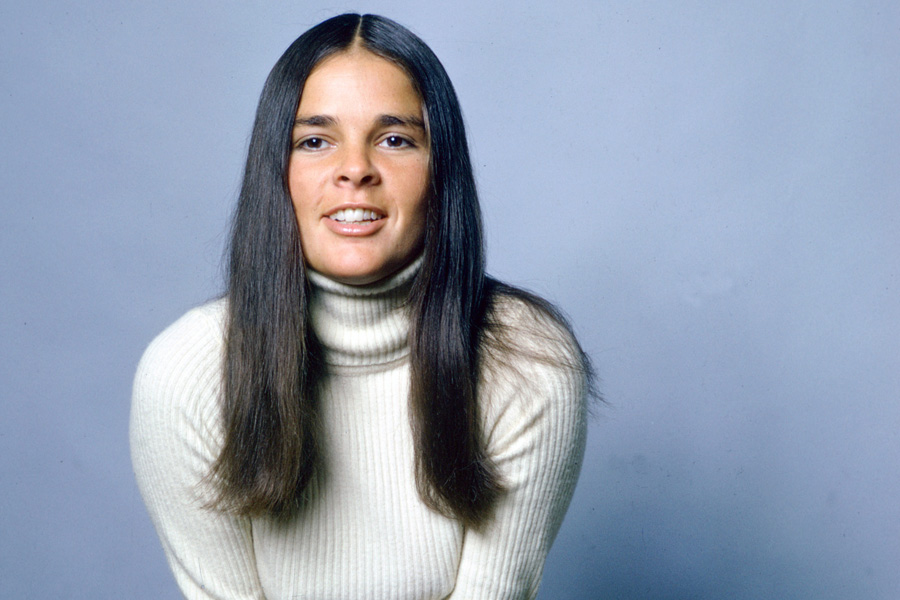
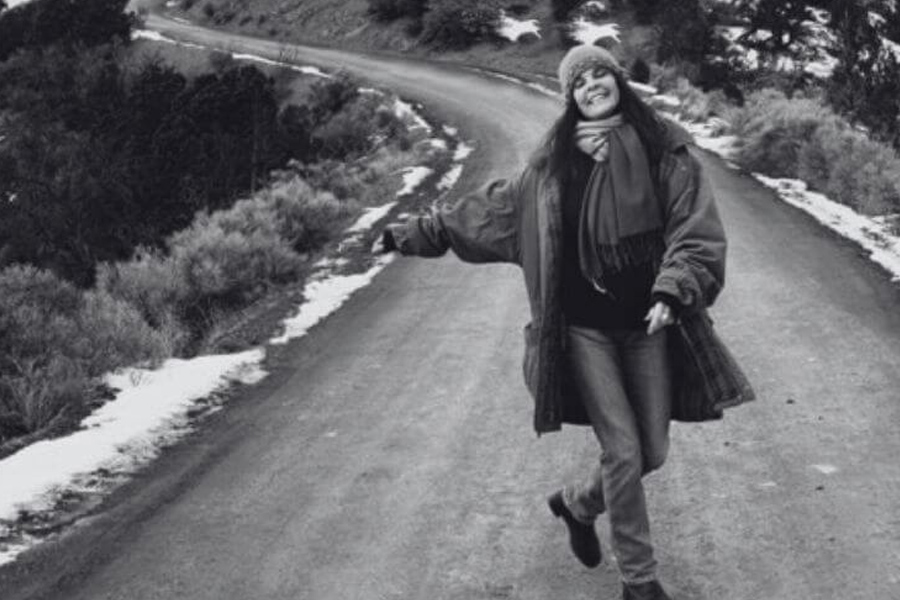
Frances influenced lineage and ethos. Ali MacGraw, born 1939, rose from modeling and editorial to film stardom. Frances’ craft and taste rules helped Ali succeed in competitive environments. Dick MacGraw, a less well-known artist, followed the same approach.
Ali’s 1971-born son, director and actor Josh Evans, and his 2010-born son, Jackson, continue the family line. Frances left a legacy of making and a famous daughter. It is the persistent notion that art pays and that photos, layouts, and frames can be a career and home.
Timeline
| Year | Age | Event |
|---|---|---|
| 1901 | 0 | Born in Boston, Massachusetts |
| 1910s | 9 to 19 | Helps raise siblings during mother’s illness; cultivates early artistic interests |
| 1920s | 19 to 29 | Lives in Paris, teaches, develops as an artist |
| Early 1930s | 30 to 33 | Returns to New York; works in Greenwich Village |
| 1935 | 33 | Marries artist Richard Clark MacGraw in Manhattan |
| 1939 | 37 | Birth of daughter Elizabeth Alice “Ali” MacGraw |
| 1940s | 39 to 49 | Birth of son Richard “Dick” MacGraw; family settles in Pound Ridge |
| 1950s | 49 to 59 | Continues commercial art work while children attend school |
| 1960s | 59 to 69 | Ali advances in modeling, editorial work, and acting |
| 1970s | 69 to 79 | Ali achieves peak fame; Richard MacGraw dies in 1978 |
| 1980 | 78 | Frances dies in Los Angeles; cremated |
Selected Family Table
| Name | Relationship | Lifespan | Notes |
|---|---|---|---|
| Maurice Klein | Father | 1870s to 20th century | Hungarian Jewish immigrant |
| Pauline Donner Klein | Mother | 1870s to 20th century | Hungarian Jewish immigrant; health challenges shaped family roles |
| Frances Klein Macgraw | Self | 1901 to 1980 | Commercial artist and designer |
| Richard Clark MacGraw | Husband | 1906 to 1978 | Painter and commercial artist |
| Elizabeth Alice “Ali” MacGraw | Daughter | b. 1939 | Actress, model, author, activist |
| Richard “Dick” MacGraw | Son | 1940s to present | Artist with a lower public profile |
| Josh Evans | Grandson | b. 1971 | Filmmaker, actor, director, writer |
| Jackson Evans | Great-grandson | b. circa 2010 | Next generation of the family line |
Themes: Work, Identity, and the Artist’s Home
- Work as anchor: Frances treated commercial art as a real profession, not a compromise. The paycheck colored the canvas, but it did not diminish the craft.
- Identity in flux: As a first-generation American from a Hungarian Jewish family, she balanced pride with discretion, charting a path through a century that often demanded assimilation.
- The household as studio: Pound Ridge became a crucible where deadlines, tuition bills, and ambitions shared the kitchen table. The children watched art function as both livelihood and language.
Education and Opportunity
Frances relished the opportunity to learn. She made sure that literature and curiosity were not luxuries. Ali’s education at Rosemary Hall and Wellesley College, which was funded by scholarships, represented a family that considered school as a collaborator in artistic endeavors. The family may not have been wealthy, but it had high hopes.
Footprints in Commercial Art
Midcentury commercial painters worked behind brands. Frances’s work likely appeared in ads, brochures, and editorial layouts where clarity and polish trump bylines. Reports suggest portrait and fashion-related work for her era and training. Consider her output like a city’s underground river: vital, steady, and unnamed.
FAQ
Who was Frances Klein Macgraw?
She was a Boston-born commercial artist and graphic designer who built a career from the 1920s through the mid 20th century and served as the matriarch of a creative family.
What was her heritage and how did it shape her life?
She was the daughter of Hungarian Jewish immigrants, a background that informed her values of resilience, discipline, and cultural engagement.
Did she live or work abroad?
Yes. She spent time in Paris in the 1920s, teaching and refining her artistic skills before settling in New York.
When did she marry and who was her husband?
She married fellow artist Richard Clark MacGraw in 1935 in Manhattan.
Who are her children?
Her daughter is actress Elizabeth Alice “Ali” MacGraw, born in 1939, and her son is Richard “Dick” MacGraw, an artist.
Where did the family live during the children’s upbringing?
They made their home in Pound Ridge, New York, after years in Greenwich Village.
What kind of art did Frances do?
She focused on commercial art and design, including advertising, illustration, and some portrait work.
Was the family affluent?
They lived a middle-class artistic life with periods of financial constraint, relying on steady commercial assignments.
Who are her notable descendants?
Her grandson is filmmaker and actor Josh Evans, and her great-grandson is Jackson Evans.
When and where did she pass away?
She died on March 30, 1980, in Los Angeles at the age of 78 and was cremated.